
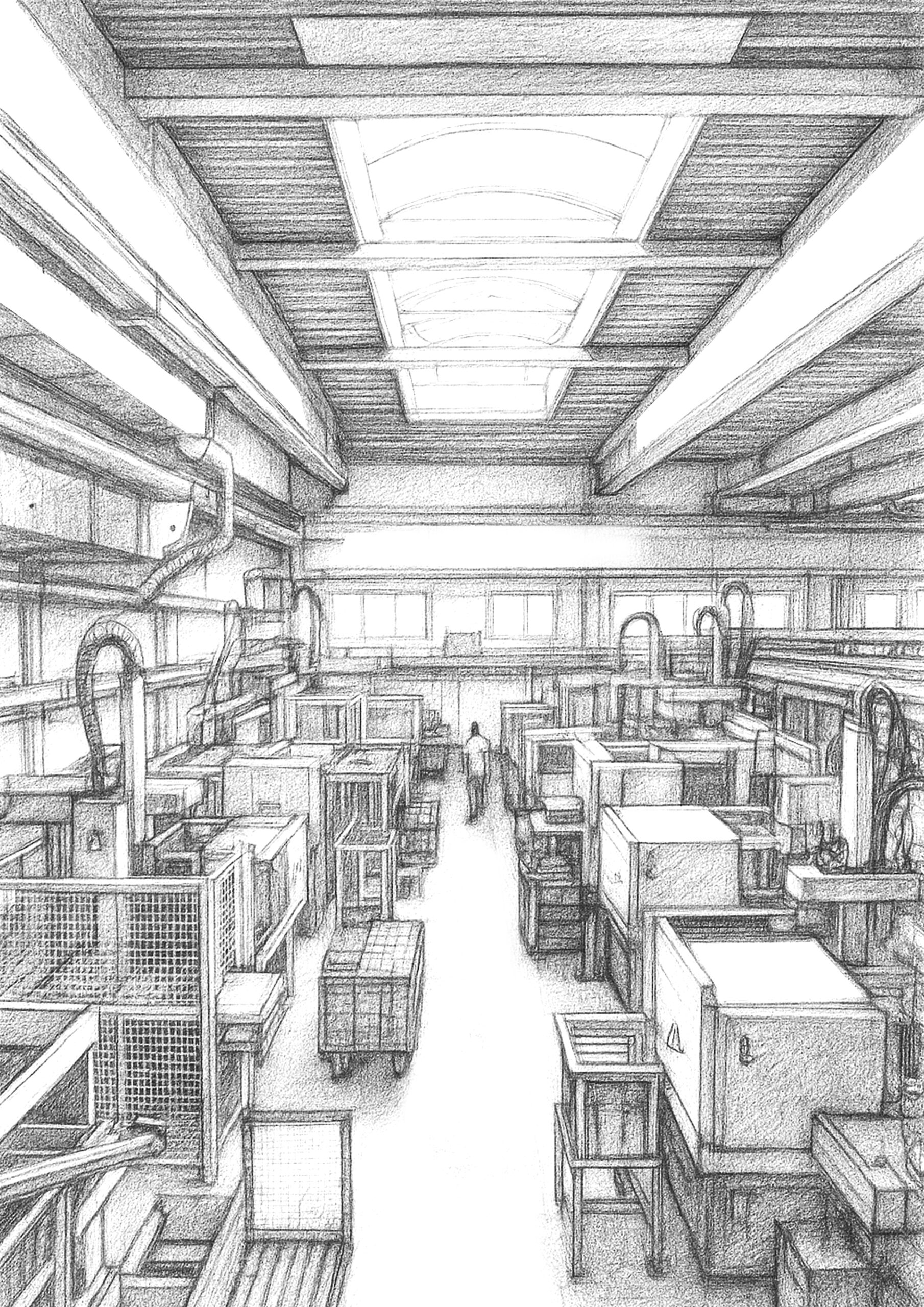
Assembly & testing for ready-to-assemble assemblies
KOMOS assembles mechanical, plastic engineering and electrical components into functional assemblies. Adjusted assembly and testing processes ensure reproducible mechanical functions, electrical properties, and current and data connections in the series – in VDE-tested production.
- Start
- Competences
- Assembly & Testing
Assemble, test, and ensure serial quality
A component is only considered ready for series production when its functions work reliably in combination. KOMOS combines assembly and testing into a seamless process – for reproducible quality in every component manufactured.
Mechanical assembly & integration
Components, connecting elements and functional components are assembled into complete assemblies according to defined processes.
- Defined sequences and processes
- Safe and reproducible connections
Electrical integration and testing
Electrical components, wires and connectors are integrated in a proper manner and tested according to the respective requirements.
- Testing of conductance and resistance
- Manufacturing under VDE-certified conditions
Documentation & Traceability
Test results and relevant process data are systematically recorded, documented, and assigned to the manufactured assembly in a clear and traceable manner.
- Documented quality certificates
- Understandable test and process data
From assembly to secure mass-production quality
Component assembly
Components are assembled into a complete unit
In the assembly of the sub-assemblies, technical integration takes center stage. Mechanics, plastics, metal, electronics, wires, and other components are combined to form a complete sub-assembly.
Result:
Ready-to-install, fully assembled assembly unit
Assembly & Testing
The assembly unit will become a safe series product
During assembly and testing, serial production assurance is at the center of attention. Functions, connections, and quality characteristics are tested, documented, and secured for reproducible serial production.
Result:
Functionally tested assembly unit with defined quality assurance
Reliably secure power and data
In electromechanical assemblies, mechanical components, electrical power supply, and data paths must work together reliably.
KOMOS integrates wiring, contacts, and interfaces in a proper manner and tests the functions and connections defined for each of them.
Think early about the testing concept
Together with the customer, KOMOS defines which features are to be protected by the assembly process, checked on a sample basis, or tested for each component group.
This results in reliable quality certificates without unnecessary testing.
Reduce interfaces and effort
- Fewer errors in transmission between assembly and testing
- Faster cause clarification in case of deviations
- Reproducible assembly and testing processes
- Documented quality certificates
- Fewer interfaces thanks to a responsible partner
Which functions must your assembly reliably fulfill?
We work together to determine which assembly processes, testing features, and documentation are required for your assembly – from mechanical functions to electrical and data connections.
Frequently asked questions
What tests does KOMOS perform on assemblies?
Depending on the product and customer requirements, KOMOS examines mechanical functions, connections, electrical properties, as well as defined current and data paths. The scope of testing, testing conditions, and documentation are determined project-specifically.
Can KOMOS test every component to 100 percent?
A 100 %-test is possible for defined characteristics if this is technically feasible and provided in the test plan. However, not every feature requires a complete test.
Does KOMOS also check power and data connections?
Yes, provided that the required test characteristics and testing procedures are defined in the project. These may include, for example, continuity, contactability, electrical properties or functional tests.
Are test results documented?
Test results can be collected based on product, order, or batch-specific criteria and provided for quality verification and traceability purposes, depending on the project.
When should the testing concept be developed?
Ideally, this should take place during development or technical clarification. In this way, test points, interfaces, and assembly processes can be coordinated early on.
What is the difference between component assembly and assembly & testing?
The component assembly describes the technical integration of individual components into a complete assembly. Assembly & Testing goes beyond that and ensures defined functions, electrical properties, and power and data connections through reproducible testing processes.